Rare Whiskey Collection
A rare whiskey collection represents the pinnacle of fine spirits, bringing together limited-edition releases, discontinued bottles, and unique expressions that have stood the test of time. Whether you're a seasoned collector or an enthusiast beginning to explore this refined hobby, rare whiskeys offer an alluring combination of history, craftsmanship, and exclusivity that few other beverages can match.
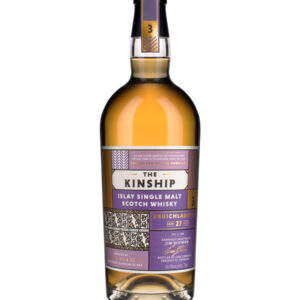
Bruichladdich Kinship 27YO 2019
$363.00Add to cart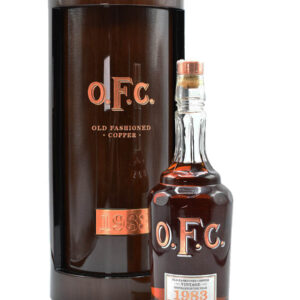
Buffalo Trace OFC 1983
$13,812.45Add to cart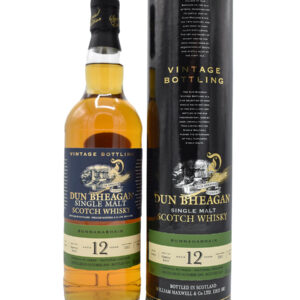
Bunnahabhain 12 Year Old 2006 – Dun Bheagan (Ian Macleod)
$40.03Add to cart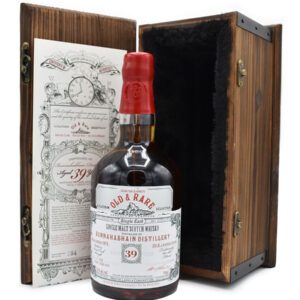
Bunnahabhain 39 YO Old and Rare 1974
$680.10Add to cart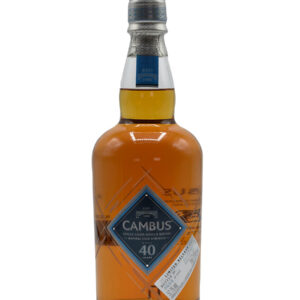
Cambus 40 YO 1975
$536.64Add to cart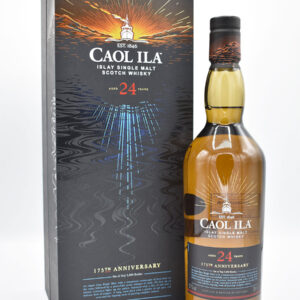
Caol Ila 24 YO 175th Anniversary
$514.64Add to cart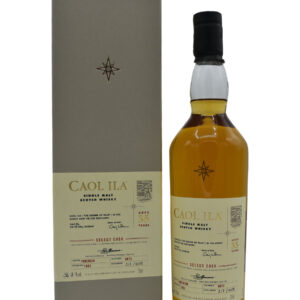
Caol Ila 35 YO Cask of Distinction 1983
$1,088.67Add to cart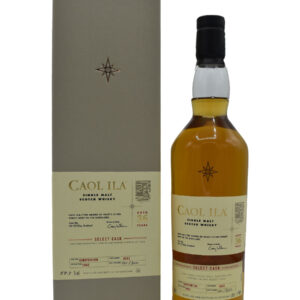
Caol Ila 36 YO Cask of Distinction 1983
$1,088.27Add to cart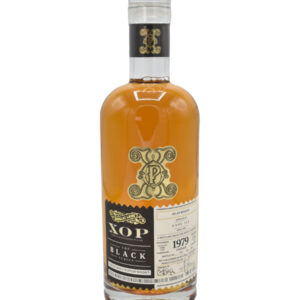
Caol Ila 40 YO XOP Black 1979
$984.75Add to cart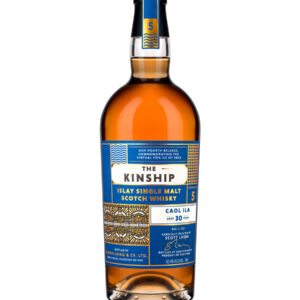
Caol Ila Kinship 30 YO 2020
$323.12Add to cart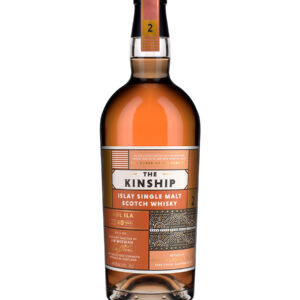
Caol Ila Kinship 40 Year Old 2019
$1,041.31Add to cart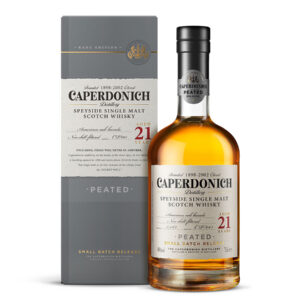
Caperdonich 21 YO Peated Secret Speyside
$150.60Add to cart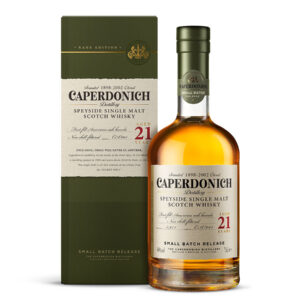
Caperdonich 21YO Secret Speyside
$145.07Add to cart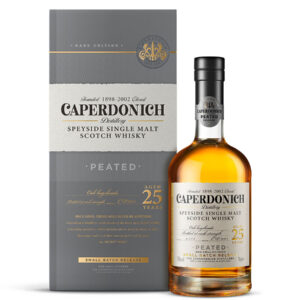
Caperdonich 25 YO Peated Secret Speyside
$276.74Add to cart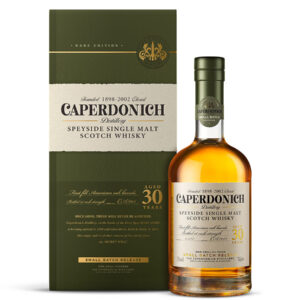
Caperdonich 30 YO Secret Speyside
$583.57Add to cart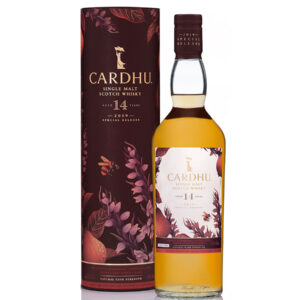
Cardhu 14 YO Special Releases 2019
$88.37Add to cart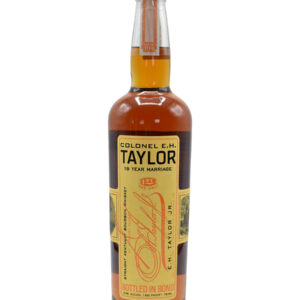
Colonel EH Taylor 18 YO Marriage
$1,758.25Add to cart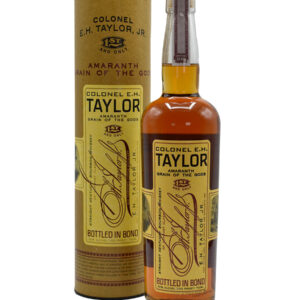
Colonel EH Taylor Amaranth Grain of the Gods
$1,094.83Add to cart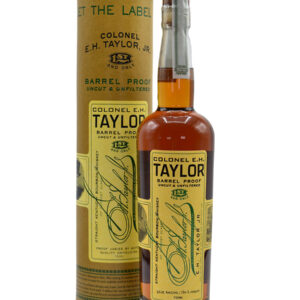
Colonel EH Taylor Barrel Proof 2020
$422.61Add to cart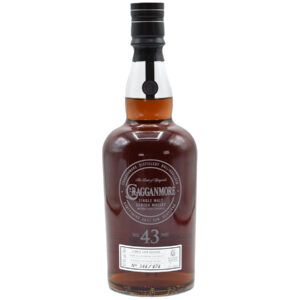
Cragganmore 43 Year Old
$2,616.41Add to cart
What Defines a Rare Whiskey?
Rare whiskeys are typically characterized by their limited availability, exceptional quality, and unique production methods. They may include vintage bottles that have been aged for decades, single cask releases with a one-of-a-kind flavor profile, or limited-edition offerings from renowned distilleries. Some rare whiskeys are no longer in production, making them highly sought after by collectors. These bottles often gain value over time, not only for their taste but also for their historical significance and the story they tell about the evolution of whiskey-making.
Building a Rare Whiskey Collection
Building a rare whiskey collection requires patience, knowledge, and a discerning palate. Unlike more common spirits, rare whiskeys are often discovered through auctions, specialty retailers, or direct connections with distilleries. Here are some key considerations for anyone looking to start or expand a rare whiskey collection:
Research and Knowledge: Understanding the history and reputation of different distilleries is crucial. Some distilleries, like Macallan, Glenfiddich, and Pappy Van Winkle, are renowned for their rare and collectible releases. Knowing the backstory of a bottle can enhance its value and your appreciation of it.
Focus on Quality: When it comes to rare whiskey, quality should always take precedence over quantity. It’s better to have a smaller collection of high-quality, significant bottles than a large assortment of less noteworthy spirits. Look for whiskeys that have been well-reviewed by experts, have won awards, or are known for their exceptional craftsmanship.
Condition and Provenance: The condition of a bottle is crucial when it comes to collecting rare whiskeys. Ensure that bottles are stored properly—away from light and heat—and that they have their original packaging, which can significantly increase their value. Provenance, or the documented history of a bottle, is also important, particularly when purchasing at auction. A well-documented bottle is more likely to be authentic and hold its value over time.
Investment Potential: While many collectors purchase rare whiskeys for their personal enjoyment, others view them as an investment. The value of rare whiskey has been known to appreciate over time, particularly for bottles from closed distilleries or those with very limited production. However, like any investment, it’s important to do your research and consult with experts before making significant purchases.
Enjoy the Journey: Collecting rare whiskey is not just about the end result; it’s about the journey. Tasting and discovering new bottles, learning about different distilleries and production techniques, and meeting other enthusiasts are all part of what makes this hobby so rewarding.
Examples of Rare Whiskeys
The Macallan Fine & Rare Collection: Macallan is one of the most revered names in the world of rare whiskey. Their Fine & Rare Collection includes bottles from as far back as 1926, each one representing a different era of whiskey production.
Pappy Van Winkle’s Family Reserve: This Kentucky bourbon is one of the most sought-after whiskeys in the world. Produced in extremely limited quantities, Pappy Van Winkle is known for its deep, rich flavor and long finish. Bottles can fetch thousands of dollars at auction.
Yamazaki 50 Year Old Single Malt: Japanese whiskey has gained immense popularity in recent years, and the Yamazaki 50 Year Old is one of the most coveted. With only a few hundred bottles ever produced, it’s a rare gem for any collector.
Glenfiddich 1937 Rare Collection: Glenfiddich is another iconic name in the world of Scotch whiskey, and their 1937 Rare Collection is a testament to the distillery's longevity and craftsmanship. With only a handful of bottles in existence, this is a true collector’s item.
Conclusion
Collecting rare whiskey is a rewarding pursuit that blends passion with knowledge. Each bottle tells a story of its origins, the craftsmanship involved, and its journey to becoming a collector's item. Whether you’re savoring a sip of history or investing in the future, a rare whiskey collection offers both pleasure and potential. With dedication and a keen eye, you can build a collection that not only enhances your appreciation of fine spirits but also stands the test of time.

Comments
Post a Comment